Payment Gateway Integration: Best Practices for Secure Transactions
Updated September 7, 2026 · 8 min read
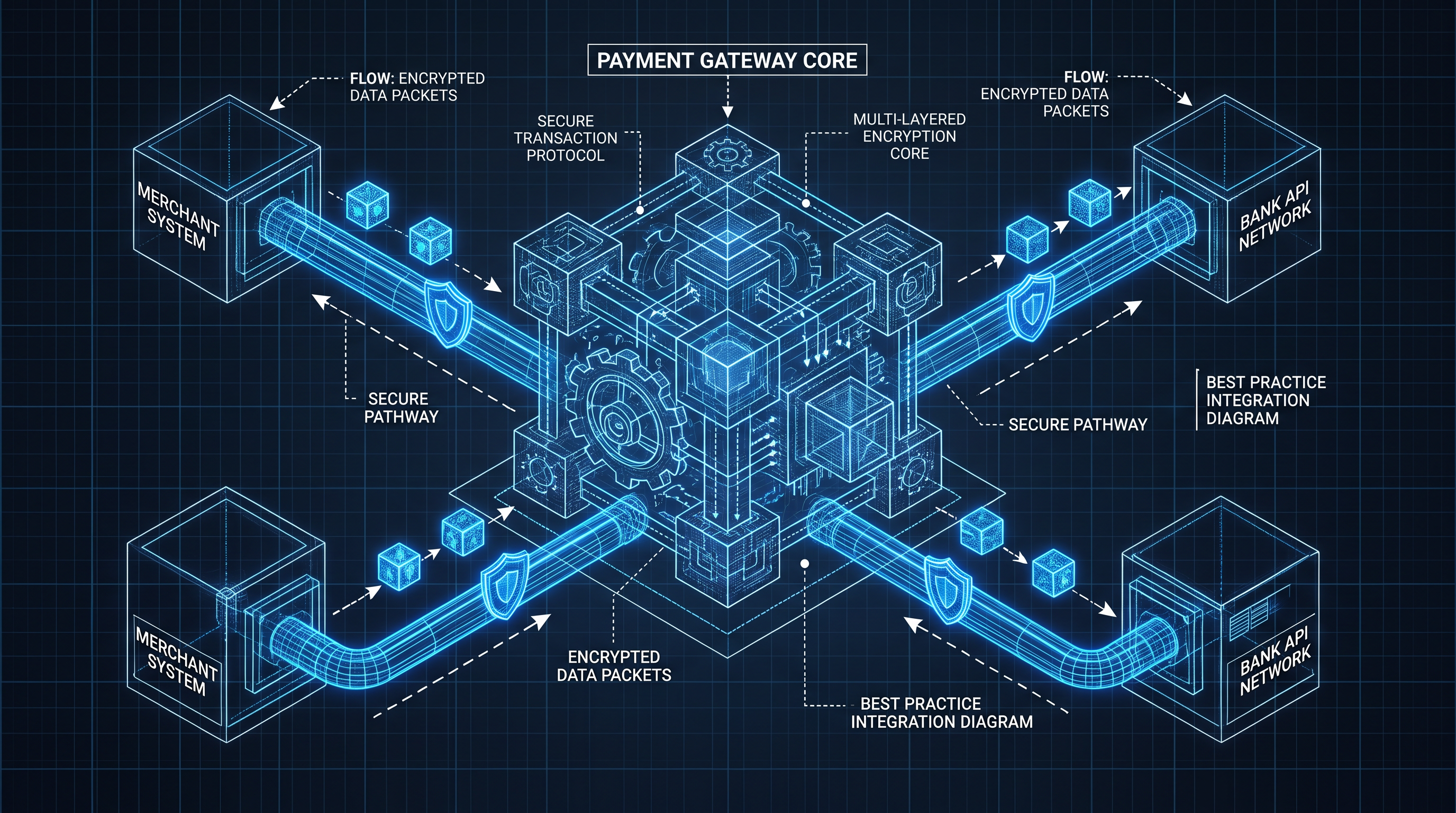
In today’s digital-first economy, the ability to securely and efficiently process online payments is not just a convenience—it’s a fundamental necessity for business survival and growth. From e-commerce platforms to subscription services, a seamless payment gateway integration is the bedrock of customer trust and operational success. At Elsy Solutions, we understand that navigating the complexities of payment processing requires both technical expertise and a strategic mindset. This article will delve into the best practices for integrating payment gateways, ensuring your transactions are not only smooth but also impeccably secure.
Why Payment Gateway Integration Matters
For business leaders, a robust payment gateway directly impacts conversion rates, customer satisfaction, and ultimately, revenue. A clunky, slow, or insecure checkout process can lead to abandoned carts and lost sales, undermining all efforts in marketing and product development. Conversely, a well-integrated system fosters confidence, encourages repeat business, and streamlines financial operations.
From a developer's perspective, effective integration is about more than just connecting APIs. It involves designing a resilient, scalable, and secure architecture that can handle varying transaction volumes, protect sensitive data, and comply with stringent industry regulations. Whether you're building a new platform from scratch or enhancing an existing system through custom software development, the payment gateway is a critical component that demands meticulous attention.
Key Best Practices for Secure and Seamless Integration
1. Choose the Right Payment Gateway
The foundation of any successful integration begins with selecting the appropriate payment gateway. This decision should not be taken lightly, as it impacts everything from transaction fees to supported currencies and global reach. Consider factors such as: supported payment methods (credit cards, digital wallets, local payment options relevant to your target markets like the US and Sri Lanka), pricing structures, developer documentation quality, security features (e.g., fraud detection tools), and customer support availability.
Actionable Takeaway for Business Leaders: Evaluate gateways based on your customer demographics, geographical reach, and anticipated transaction volume. Don't solely focus on fees; consider the total cost of ownership, including developer effort and potential lost sales due to poor UX. Actionable Takeaway for Developers: Prioritize gateways with well-documented APIs, SDKs, and a developer-friendly sandbox environment for testing. Look for robust error codes and clear response structures.
2. Prioritize Security and Compliance (PCI DSS)
Payment Card Industry Data Security Standard (PCI DSS) compliance is non-negotiable for any entity handling credit card data. Failing to comply can result in hefty fines, reputational damage, and loss of trust. The goal is to minimize your exposure to sensitive cardholder data.
- Tokenization and Encryption: Implement tokenization to replace sensitive card data with a unique, non-sensitive identifier (a "token"). This token can be stored and used for future transactions without exposing actual card details. All data in transit should be encrypted using TLS 1.2 or higher.
- Minimize Data Storage: Avoid storing sensitive cardholder data on your servers whenever possible. If you must, ensure it is encrypted and stored in a PCI-compliant environment. Using hosted payment pages or client-side encryption (like Stripe.js or Braintree Drop-in UI) can significantly reduce your PCI scope.
- Regular Security Audits: Conduct periodic security audits and penetration testing to identify vulnerabilities. For custom software development projects, this should be an ongoing process from design to deployment.
Actionable Takeaway for Business Leaders: Understand your PCI compliance level and ensure your chosen gateway and integration strategy help minimize your compliance burden. Invest in security audits. Actionable Takeaway for Developers: Leverage your gateway's built-in security features like tokenization. Never store full credit card numbers on your servers. Always use secure coding practices.
3. Implement Robust Error Handling and Logging
Transactions can fail for various reasons – invalid card details, insufficient funds, network issues, or gateway errors. A well-designed error handling mechanism is crucial for both user experience and debugging.
- Clear User Feedback: Provide clear, concise, and actionable error messages to users. Instead of "Transaction Failed," tell them "Your card was declined. Please check your card details or try another payment method."
- Comprehensive Logging: Log all transaction-related activities, including requests sent to the gateway, responses received, and internal processing steps. Ensure logs do not contain sensitive cardholder data. These logs are invaluable for debugging, auditing, and dispute resolution.
- Alerting Mechanisms: Set up automated alerts for critical payment failures or suspicious activity.
Actionable Takeaway for Business Leaders: Ensure your customer support team has access to relevant, non-sensitive transaction logs to assist customers effectively. Actionable Takeaway for Developers: Design your system to gracefully handle API timeouts, network errors, and gateway-specific error codes. Implement idempotent operations to prevent duplicate transactions if retries are necessary.
4. Optimize for User Experience (UX)
A smooth, intuitive checkout flow directly translates to higher conversion rates. Any friction can cause customers to abandon their purchase.
- Seamless Checkout Flow: Minimize redirects. If possible, integrate payment forms directly into your site using embedded fields or APIs.
- Mobile Responsiveness: Ensure your payment forms and checkout pages are fully optimized for mobile devices, given the prevalence of mobile shopping.
- Clear Instructions and Feedback: Guide users through the process with clear labels, input masks, and real-time validation. Provide visual cues for successful transactions.
- Multiple Payment Options: Offer a variety of payment methods that cater to your target audience's preferences. For businesses in Florida tech and beyond, this might include popular digital wallets alongside traditional credit cards.
Actionable Takeaway for Business Leaders: Regularly test your checkout process on various devices and browsers. Seek user feedback to identify pain points. Actionable Takeaway for Developers: Leverage your gateway’s UI components or build custom, responsive forms that integrate seamlessly with your brand. Ensure fast loading times for payment pages.
5. Plan for Scalability and Performance
As your business grows, your payment infrastructure must be able to handle increased transaction volumes without degradation in performance or reliability.
- Load Testing: Conduct thorough load testing to ensure your integration can handle peak traffic.
- Reliable Gateway: Choose a payment gateway known for its high uptime and robust infrastructure.
- Asynchronous Processing: For certain operations (e.g., post-transaction notifications), consider asynchronous processing to avoid blocking the user experience.
Actionable Takeaway for Business Leaders: Discuss future growth projections with your development team to ensure the chosen solution can scale. Actionable Takeaway for Developers: Design your payment services with scalability in mind, potentially using microservices or serverless functions for payment processing. Monitor API response times and latency.
6. Leverage Webhooks and APIs Effectively
Webhooks provide real-time updates on transaction statuses (e.g., payment successful, refund initiated, chargeback received), which are critical for automating workflows and maintaining accurate records.
- Implement Webhook Listeners: Set up secure webhook endpoints to receive notifications from your payment gateway.
- Verify Webhook Signatures: Always verify the signature of incoming webhooks to ensure they are legitimate and haven't been tampered with.
- Asynchronous Processing of Webhooks: Process webhook events asynchronously to avoid blocking the gateway's ability to send further notifications.
- Idempotency: Design your API calls and webhook handlers to be idempotent, meaning that making the same request multiple times has the same effect as making it once. This prevents duplicate charges or processing in case of network retries.
Actionable Takeaway for Business Leaders: Understand how webhooks can automate order fulfillment, inventory updates, and customer communication, improving efficiency. Actionable Takeaway for Developers: Use webhooks to keep your system synchronized with the gateway's state, rather than constantly polling the API. Implement robust retry mechanisms for failed webhook processing.
7. Conduct Thorough Testing
Before going live, rigorous testing is paramount to catch bugs, ensure functionality, and verify security.
- Sandbox Environment: Utilize the gateway's sandbox or test environment extensively.
- Unit and Integration Tests: Write comprehensive unit and integration tests for all payment-related code.
- End-to-End Testing: Simulate the entire user journey, from adding items to a cart through to successful payment and order confirmation.
- Edge Case Testing: Test scenarios like declined cards, network timeouts, invalid inputs, and abandoned payments.
- User Acceptance Testing (UAT): Involve actual users or stakeholders to test the system in a production-like environment. At Elsy Solutions, our commitment to quality in custom software development means we emphasize thorough, multi-stage testing protocols.
Actionable Takeaway for Business Leaders: Allocate sufficient time and resources for comprehensive testing. Don't rush the go-live process. Actionable Takeaway for Developers: Automate as much of your payment testing as possible. Create a suite of test cards and scenarios provided by your gateway.
Integrating a payment gateway effectively is a multifaceted challenge that requires careful planning, robust security measures, and a commitment to user experience. By adhering to these best practices, businesses can ensure secure, reliable, and seamless transactions that build customer trust and fuel growth. Whether you're a startup or an established enterprise, understanding these principles is crucial for success in the digital marketplace. For businesses seeking expert guidance or custom software solutions to navigate these integrations, Elsy Solutions is here to help you build secure and efficient payment systems.
Frequently Asked Questions
What is payment gateway integration?
Payment gateway integration connects your e-commerce platform to a payment processor, enabling secure online transactions. It handles sensitive card data, authorization, and fund transfers between customers and your business, ensuring that payments are processed safely and efficiently.
Why are best practices important for payment gateway integration?
Adhering to best practices ensures robust security, compliance with industry standards like PCI DSS, and a smooth customer checkout experience. It minimizes fraud risks, optimizes transaction success rates, and protects both your business and customers from potential vulnerabilities.
What are common challenges in payment gateway integration?
Common challenges include ensuring PCI DSS compliance, managing multiple payment methods, maintaining system security, and providing a seamless user experience across various devices. Technical complexity, potential downtime, and staying updated with evolving payment technologies are also key hurdles that businesses often face.