Unlock Growth: Integrating Machine Learning into Business Apps
Updated October 4, 2026 · 6 min read

Unlock Growth: Integrating Machine Learning into Business Apps
In today's fast-paced digital landscape, businesses are constantly seeking new ways to gain a competitive edge, enhance efficiency, and deliver unparalleled customer experiences. One of the most transformative technologies enabling this evolution is Machine Learning (ML). Far from being a futuristic concept, ML is now a practical, powerful tool ready to be embedded directly into the business applications you use every day, driving tangible growth and innovation.
At Elsy Solutions, we've seen firsthand how integrating ML can redefine operations, from customer engagement to supply chain optimization. It's about empowering your existing software to learn, adapt, and make intelligent decisions, turning data into your most valuable asset.
Why Machine Learning for Your Business Applications?
Integrating ML isn't just about adopting a new technology; it's about fundamentally improving how your business operates. Here’s why it’s becoming indispensable:
Enhanced Decision Making
- Predictive Analytics: ML algorithms can analyze historical data to forecast future trends, helping businesses anticipate market shifts, customer demand, and potential risks. Imagine a retail application predicting which products will be most popular next quarter, allowing for optimized inventory management.
- Data-Driven Insights: Move beyond basic reporting. ML uncovers hidden patterns and correlations in vast datasets, providing deeper, more actionable insights that human analysis might miss.
Improved Customer Experience
- Personalization: Business apps can use ML to tailor experiences for individual users, from personalized product recommendations in e-commerce platforms to customized content suggestions in media apps. This creates a more engaging and relevant experience, fostering loyalty.
- Smarter Support: Chatbots powered by natural language processing (a subset of ML) can handle routine customer inquiries 24/7, freeing up human agents for more complex issues. Sentiment analysis can even gauge customer mood, allowing for more empathetic and effective responses.
Operational Efficiency and Cost Reduction
- Automation of Repetitive Tasks: ML can automate data entry, categorization, and other mundane tasks, reducing human error and freeing up employees for higher-value work.
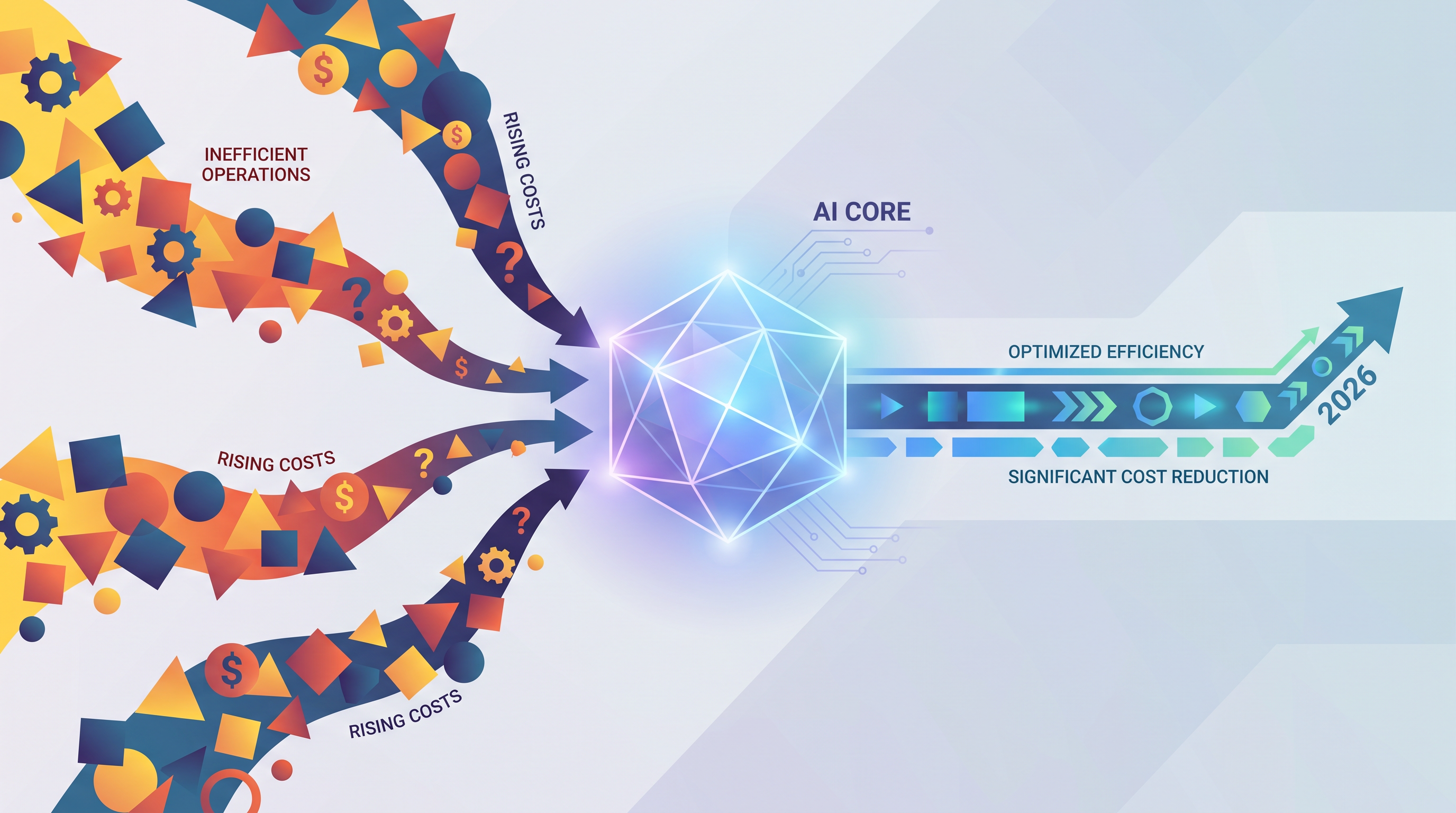
- Optimized Resource Allocation: From workforce scheduling to logistics routing, ML can find the most efficient ways to utilize resources, leading to significant cost savings. Think of a fleet management app optimizing delivery routes in real-time based on traffic and weather data.
Innovation and New Revenue Streams
- Product and Service Development: ML can identify unmet customer needs or market gaps, informing the development of new products and services.
- Competitive Advantage: Businesses that effectively leverage ML in their applications gain a significant edge over competitors still relying on traditional methods.
Practical Applications: Where ML Shines in Business
Let's look at some real-world scenarios where ML integration is making a difference:
Customer Relationship Management (CRM)
- Lead Scoring: An ML-powered CRM can analyze prospect data (demographics, engagement history, firmographics) to predict which leads are most likely to convert, allowing sales teams to prioritize their efforts.
- Churn Prediction: Identify customers at risk of leaving before they do, enabling proactive retention strategies.
Enterprise Resource Planning (ERP)
- Demand Forecasting: Improve accuracy in predicting future demand for products and services, optimizing inventory levels and production schedules.
- Predictive Maintenance: For manufacturing or logistics, ML can analyze sensor data from machinery to predict equipment failures, allowing for maintenance before costly breakdowns occur.
Financial Applications
- Fraud Detection: ML algorithms can detect anomalies in transaction patterns that indicate fraudulent activity in real-time, protecting both businesses and customers.
- Risk Assessment: For lending platforms, ML can analyze vast amounts of data to provide more accurate credit scores and risk profiles.
Human Resources (HR)
- Talent Acquisition: ML can help sift through resumes, identify best-fit candidates, and even predict employee success based on various data points.
- Employee Performance Analytics: Identify factors contributing to high performance or potential burnout, leading to better employee engagement strategies.
Key Considerations for Successful ML Integration
Implementing ML isn't a "set it and forget it" process. It requires strategic planning and execution:
Define Clear Objectives
Before diving into algorithms, clearly articulate what business problem you want to solve or what opportunity you want to seize. Is it reducing customer churn, optimizing logistics, or personalizing user experiences? A clear goal guides the entire integration process.
Data is King
ML models are only as good as the data they're trained on. Ensure you have access to clean, relevant, and sufficiently large datasets. Invest in data governance, cleansing, and preparation. This often involves integrating data from disparate sources within your existing business applications.
Start Small, Scale Smart
Don't try to solve all your problems with ML at once. Begin with a pilot project focused on a specific, high-impact area. Prove the value, learn from the experience, and then strategically scale your ML initiatives across other applications. This iterative approach minimizes risk and maximizes learning.
Choose the Right Tools and Expertise
The ML ecosystem is vast. Whether it's leveraging cloud-based ML services (like AWS SageMaker, Azure ML, Google AI Platform) or developing custom models, selecting the right tools is crucial. More importantly, you need the right talent. This might mean upskilling your existing team or partnering with experts in **custom software development** who specialize in ML integration, like Elsy Solutions.
Security, Privacy, and Ethics
Integrating ML means handling sensitive data. Ensure your solutions comply with data privacy regulations (e.g., GDPR, CCPA) and ethical guidelines. Address potential biases in your data and algorithms to ensure fair and equitable outcomes.
The Elsy Solutions Advantage: Your Partner in Growth
As a Florida-based company serving businesses across the US and Sri Lanka, Elsy Solutions brings deep expertise in transforming business operations through technology. We understand that integrating ML into your existing applications requires more than just technical know-how; it demands a clear understanding of your business goals, your unique data landscape, and your long-term vision.
Our team specializes in designing, developing, and deploying custom ML solutions that seamlessly integrate with your current systems, enhancing their capabilities without disrupting your workflows. We help businesses navigate the complexities of data preparation, model selection, deployment, and ongoing maintenance, ensuring your ML investments deliver continuous value.
Conclusion: Embrace the Future of Business Applications
The opportunity to unlock significant growth by integrating Machine Learning into your business applications is here. From making smarter decisions and delighting customers to streamlining operations and fostering innovation, ML offers a powerful pathway to a more intelligent and efficient future. Don's let your business applications remain static. Partner with experts who can help you harness the power of ML, transforming your data into a strategic asset and propelling your business forward.
Frequently Asked Questions
What is machine learning integration in business applications?
Machine learning integration involves embedding AI models into existing or new business software to automate tasks, analyze data, and provide predictive insights. This process enhances decision-making, improves operational efficiency, and creates more intelligent applications.
What are the key benefits of integrating ML into business apps?
Key benefits include improved data analysis for better insights, enhanced customer experience through personalization, optimized operations, fraud detection capabilities, and predictive analytics for more effective strategic planning and forecasting.
How can Elsy Solutions help with ML integration?
Elsy Solutions offers expert custom software development, specializing in designing, developing, and deploying tailored machine learning solutions. We seamlessly integrate these advanced capabilities with your existing business applications to drive measurable results and innovation.